Vitamin D
No menopause nutrition list would be complete without the mention of Vitamin D. Vitamin D is beneficial for the prevention of osteoporosis and bone loss. Women going through menopause are more prone to bone fractures, along with malabsorption disorders like Celiac Disease, Inflammatory Bowel Disease, gastrectomies, and chronic liver diseases. Vitamin D can help protect against these conditions.
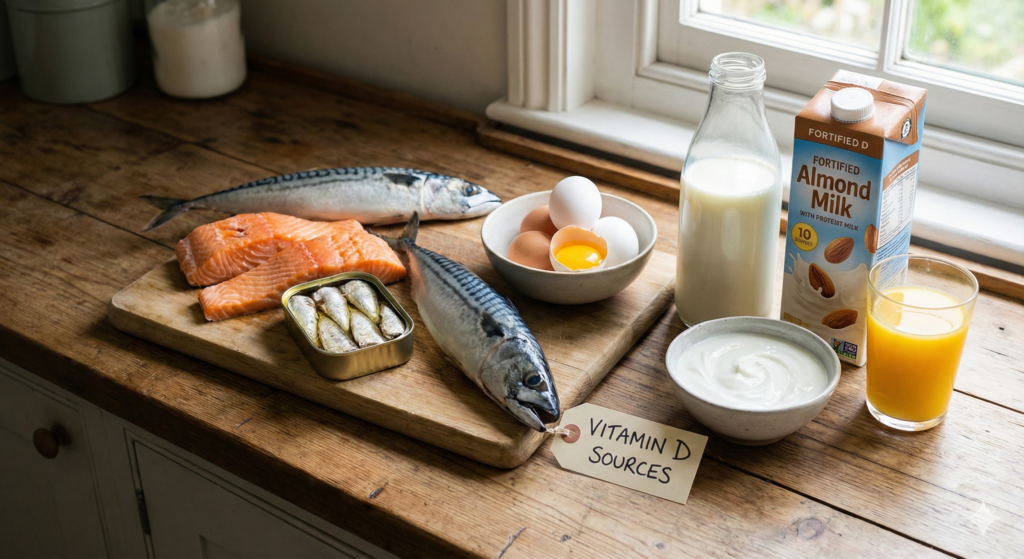
Foods that are good sources of Vitamin D:
- Egg yolks
- Fatty fish (salmon, arctic char, rainbow trout, sardines, mackerel)
- Fortified dairy products
- Fortified non-dairy products
Calcium
Calcium is an important mineral for menopause nutrition. Specifically, calcium needs increase by 200 mg per day during menopause due to hormonal changes. Estimates of adequate calcium intake for peri- and postmenopausal women are based on osteoporosis prevention. At least 1,200 mg/day of calcium is required for most women. Intakes greater than 2,500 mg/day are not recommended. To ensure adequate calcium absorption, a daily intake of 400–600 IU of vitamin D is recommended through sun exposure, diet, or supplementation. Since no accurate test exists to determine calcium deficiency, clinicians should focus on ensuring adequate dietary intake.
Calcium consumed with vitamin D improves absorption. Adequate calcium intake helps prevent bone loss and reduces fracture risk, which increases during menopause. Calcium also helps in preventing hypertension, colorectal cancer, obesity, and nephrolithiasis.
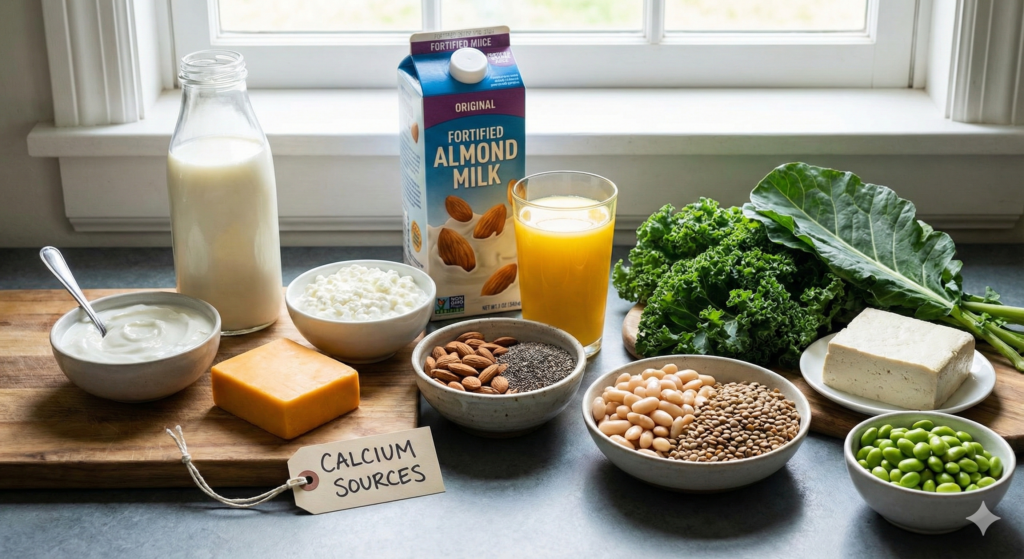
Good sources of Calcium:
- Dairy products (milk, yogurt, cheese, cottage cheese, kefir)
- Fortified non-dairy products
- Legumes (beans and lentils)
- Nuts and seeds (almonds)
- Leafy greens (spinach, kale, collard greens)
- Soy products (edamame, fortified tofu)
Vitamin B
Vitamin B is an important component of menopause nutrition. Research shows that B vitamins help reduce serum homocysteine levels. High homocysteine levels increase the risk of stroke.
Vitamin B also helps prevent osteoporosis and bone fractures, which are common risks for menopausal women.
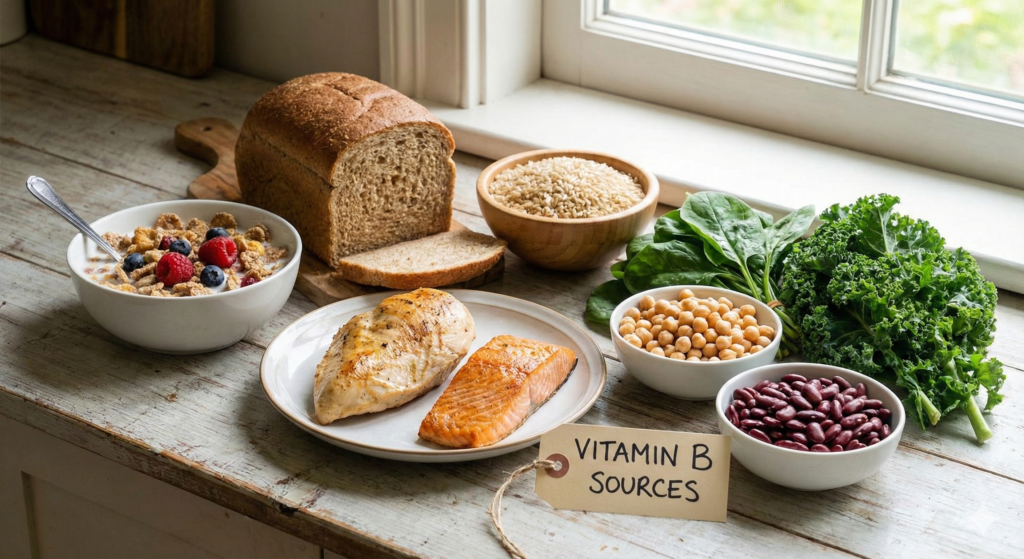
Good sources of Vitamin B:
- Fortified cereals
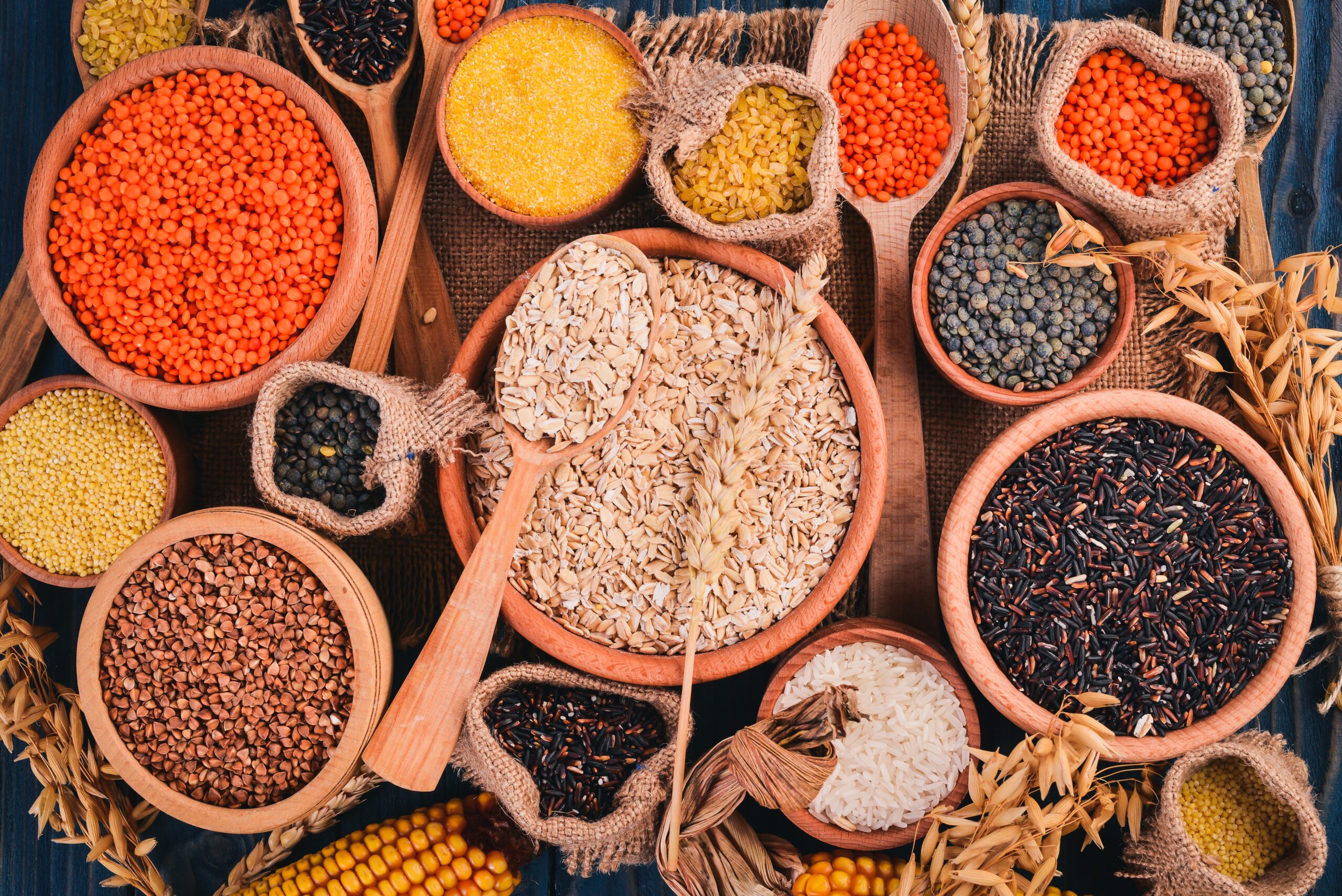
- Whole grains
- Fish and poultry
- Chickpeas
- Kidney beans
- Green leafy vegetables
Protein
Protein consumption is often overlooked by many postmenopausal women. Studies show that 25% of postmenopausal women consume less than the recommended dietary allowance (RDA).
Research indicates that higher protein intake is associated with lower body mass and delayed development of sarcopenia—a loss of muscle mass that increases the risk of falls and fractures (Gregorio et al., 2024).
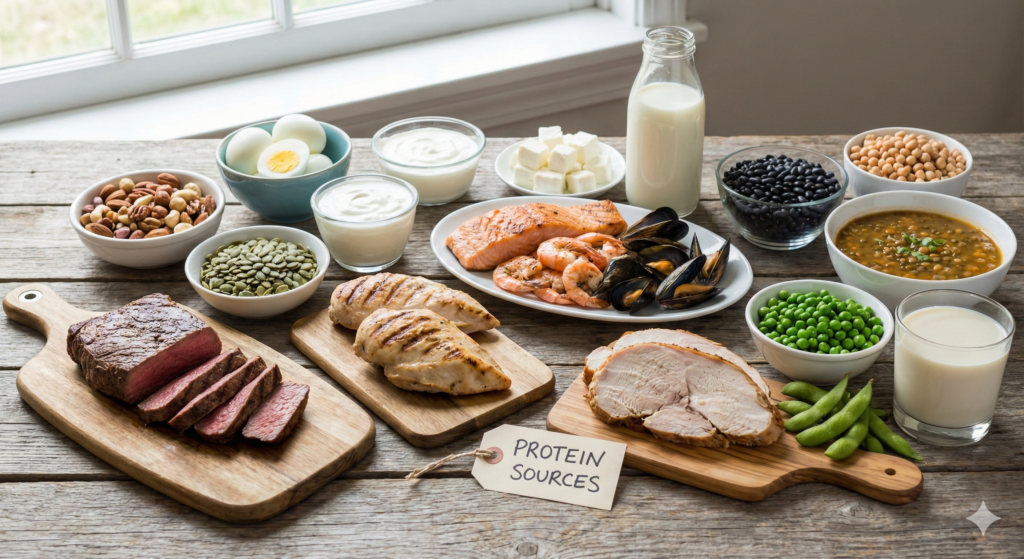
Foods rich in protein:
- Nuts and seeds
- Eggs
- Lean meat
- Poultry (chicken and turkey)
- Seafood (fish and shellfish)
- Dairy products
- Soy products (soy milk, tofu, edamame)
- Legumes (beans, chickpeas, peas, lentils)
Menopause Nutrition: Foods to Avoid
Spicy Foods
Spicy foods may intensify hot flashes and night sweats by increasing body temperature. Limiting them can help manage these symptoms.
Refined Sugar
High intake of refined sugars can lead to inflammation, water retention, and bloating. Replacing sugary treats with whole fruits is a healthier
alternative.
Soy Products (Clarification)
Soy products are actually beneficial when consumed appropriately. They contain phytoestrogens, which mimic human estrogen and help maintain bone health.
Studies show that women who consume soy products more than once daily are 56% less likely to develop osteoporosis compared to those who do not consume soy (Tang et al., 2020).
Reference:
PMC Article on Soy and Bone Health
Alcohol
Limiting alcohol during menopause is beneficial. Even small amounts close to bedtime can disrupt sleep, worsen fatigue, and intensify mood swings. Alcohol may also trigger hot flashes and affect appetite-regulating hormones.
Reducing alcohol, caffeine, and spicy foods may help lessen hot flashes and improve sleep quality.
Conclusion
NutritionRX – A balanced diet rich in calcium, vitamin D, phytoestrogens, protein, and other bone-supportive nutrients combined with regular physical activity can help peri- and postmenopausal women maintain bone health and reduce the risk of osteoporosis.