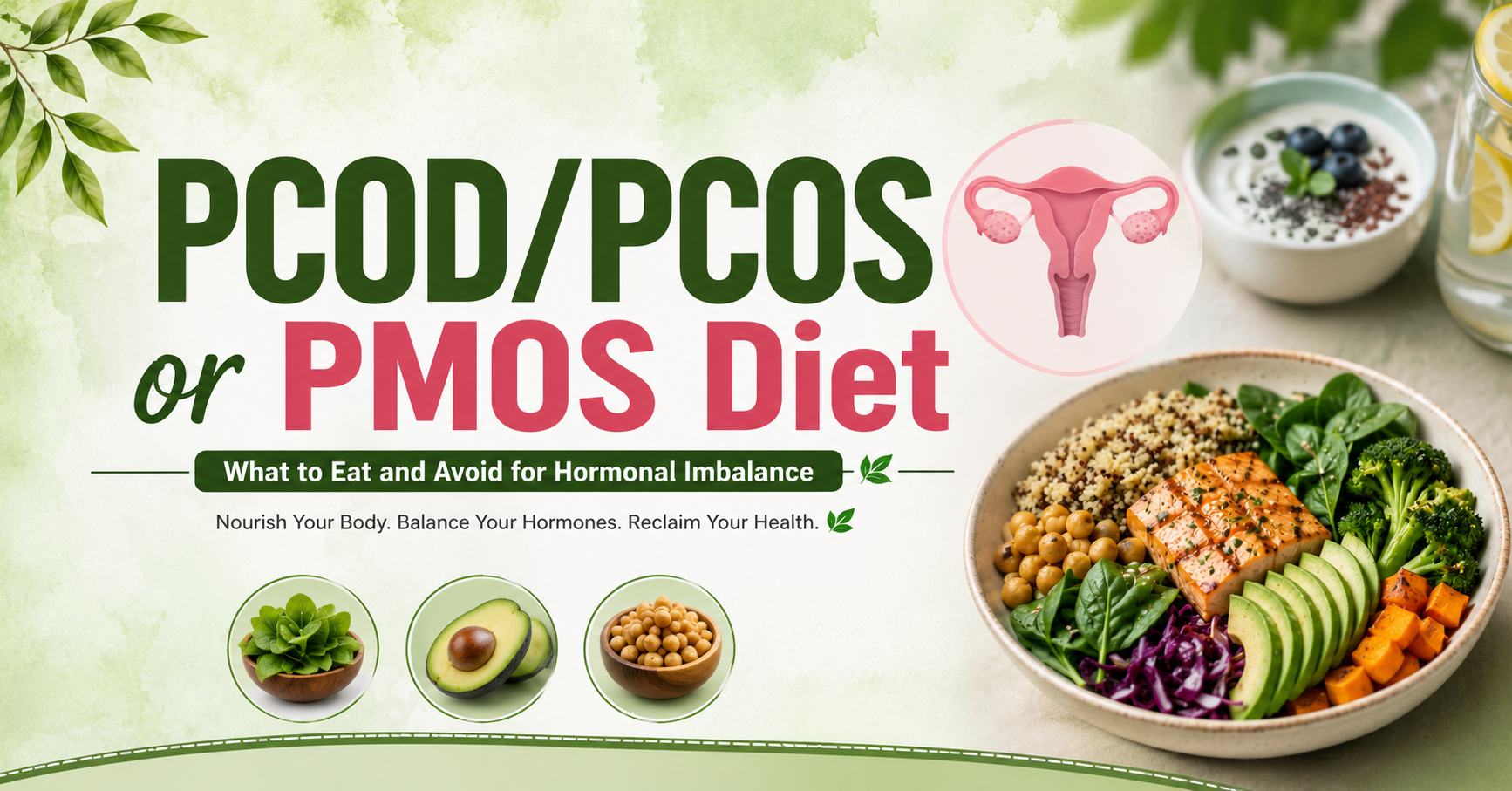
A healthy PCOD/PCOS or PMOS diet focuses on whole grains, lean protein, healthy fats, fibre-rich vegetables, and low-glycaemic index (GI) foods while limiting refined carbohydrates, sugary foods, and processed meals. Combined with regular exercise and healthy lifestyle habits, these dietary changes can improve insulin sensitivity, support hormonal balance, and help manage symptoms such as irregular periods, weight gain, acne, and fertility concerns.
What is PCOD/PCOS or PMOS?
Polycystic Ovarian Disease (PCOD) and Polycystic Ovary Syndrome (PCOS) are hormonal disorders that affect the ovaries. They often lead to irregular ovulation and hormonal imbalance, causing symptoms such as:
- Irregular or missed periods
- Sudden weight gain or difficulty losing weight
- Acne and oily skin
- Excess facial or body hair
- Hair thinning or hair fall
- Insulin resistance
- Difficulty conceiving
Although PCOD and PCOS are often used interchangeably, both involve hormonal imbalance and require proper medical and nutritional management.
According to the World Health Organization (WHO), PCOS affects an estimated 8–13% of women of reproductive age, making it one of the most common hormonal disorders worldwide.
Why is PCOS now referred to as PMOS?
Many healthcare professionals now use the term PMOS (Polyendocrine Metabolic Ovarian Syndrome) because it better represents the condition.
The term “PMOS” highlights that the disorder affects:
- Multiple hormones (Polyendocrine)
- Metabolic health, including insulin resistance
- Ovarian function
This updated terminology reflects that the condition is not limited to the ovaries alone but also affects metabolism and overall hormonal health.
The condition is estimated to affect around 1 in 10 women of reproductive age, making it one of the most common hormonal disorders worldwide.
What Are the Best Foods to Eat for PCOD/PCOS or PMOS?
A healthy diet plays a significant role in improving insulin sensitivity, reducing inflammation, supporting hormonal balance, and maintaining a healthy weight.
1. Complex Carbohydrates and Millets
Choose carbohydrates that release glucose slowly into the bloodstream. These foods help maintain stable blood sugar levels and reduce insulin spikes.
Include:
- Brown rice
- Oats
- Whole wheat
- Jowar (Sorghum)
- Bajra (Pearl millet)
- Ragi (Finger millet)
- Other low Glycemic Index (GI) grains and millets
These foods are rich in fibre and keep you full for longer.
2. Lean Protein Sources
Protein helps control hunger, supports muscle maintenance, and reduces unnecessary cravings.
Choose healthy protein sources such as:
- Eggs
- Fish
- Skinless chicken
- Tofu
- Lentils (Dal)
- Sprouted beans
- Chickpeas (Chana)
- Green gram
Including protein in every meal can improve satiety and support better blood sugar control.
3. Healthy Fats
Healthy fats help reduce inflammation and support hormone production.
Choose healthy fats that are rich in omega-3 fatty acids, such as:
- Anchovies
- Red snapper
- Sardines
- Mackerel
- Walnuts
- Chia seeds
- Flaxseeds
- Avocados
These healthy fats may also support heart health and improve metabolic function.
4. Colourful Vegetables and Fruits
Vegetables and fruits provide vitamins, minerals, fibre, and antioxidants that help fight inflammation.
Include:
- Spinach
- Moringa leaves
- Broccoli
- Cabbage
- Bell peppers (Capsicum)
- Carrots
- Cucumbers
- Berries
- Apples
- Guava
Aim to include different coloured vegetables every day for maximum nutritional benefits.
What Foods to Avoid for PCOD/PCOS or PMOS?
Certain foods can increase insulin resistance and increase inflammation, making symptoms more difficult to manage.
1. Refined Carbohydrates and Sugary Foods
Limit foods such as:
- White bread
- White rice in excess
- Refined pasta
- Cakes
- Pastries
- Cookies
- Sugary cereals
- Soft drinks
- Packaged fruit juices
These foods cause rapid rises in blood sugar and insulin levels.
2. Deep-Fried and Processed Foods
Reduce intake of:
- Fast food
- Chips
- French fries
- Fried snacks
- Instant noodles
- Packaged processed foods
These foods are generally high in unhealthy fats, excess sodium, and preservatives.
3. Dairy (If Advised)
Some women with PCOD/PCOS or PMOS may notice improvements by reducing dairy products, especially if they have acne or dairy sensitivity.
However, dairy does not need to be avoided by everyone. It should only be limited if recommended by your doctor or registered dietitian based on your individual health condition.
How Does Diet Help Manage PCOD/PCOS or PMOS?
Diet plays a central role in managing PCOD/PCOS or PMOS because many women with the condition have insulin resistance.
When insulin levels remain high:
- The ovaries produce more male hormones (androgens).
- Ovulation becomes irregular.
- Weight gain becomes easier.
- Hormonal imbalance worsens.
A balanced diet helps by:
- Improving insulin sensitivity
- Supporting regular ovulation
- Managing body weight
- Reducing inflammation
- Balancing hormones naturally
- Improving energy levels
- Supporting reproductive health
While diet alone may not completely cure PCOD/PCOS or PMOS, following a personalized nutrition plan consistently can significantly improve symptoms and overall quality of life.
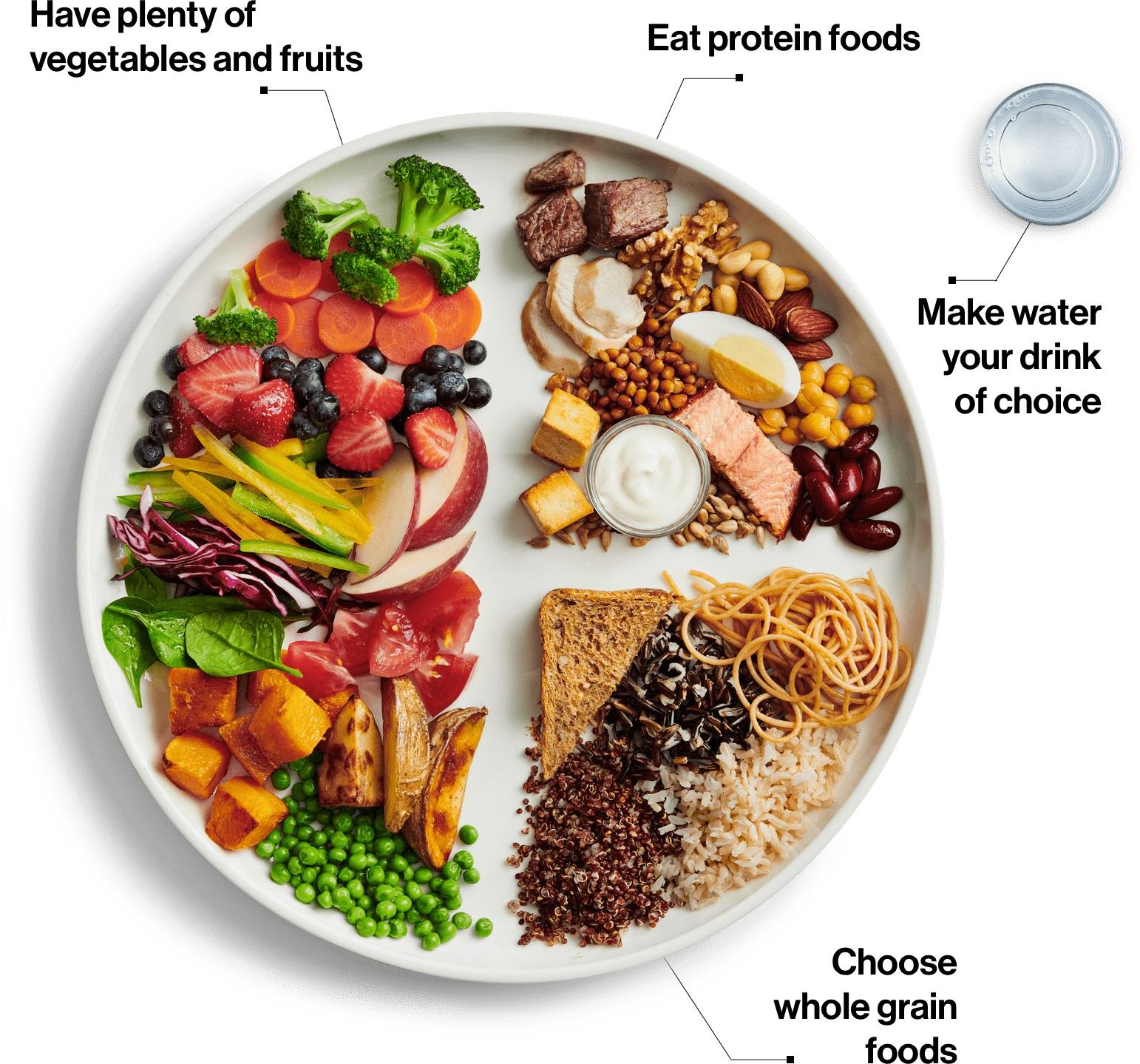
Follow the Healthy Plate Method
The Healthy Plate Method is a simple way to build balanced meals without counting calories. It ensures your plate includes the right proportion of vegetables, protein, and complex carbohydrates to support blood sugar control and hormonal health.
| Portion | Food Group | Examples |
|---|---|---|
| ½ Plate | Non-starchy Vegetables | Spinach, broccoli, cucumber, cabbage, leafy greens |
| ¼ Plate | Lean Protein | Eggs, fish, chicken, tofu, lentils, sprouts |
| ¼ Plate | Complex Carbohydrates | Brown rice, oats, whole wheat, millets |
Which Lifestyle Habits Can Improve Hormonal Balance Along with Diet?
Along with a healthy diet, these lifestyle habits can help improve PCOD/PCOS or PMOS symptoms:
- Exercise regularly for at least 30–45 minutes on most days.
- Stay physically active throughout the day.
- Sleep for 7–8 hours every night.
- Manage stress through yoga, meditation, or breathing exercises.
- Drink adequate water daily.
- Avoid smoking and excessive alcohol consumption.
- Follow up regularly with your healthcare provider and dietitian.
Consistency is more important than following restrictive diets.
Conclusion
Managing PCOD/PCOS or PMOS is not about following restrictive diets; it is about making sustainable lifestyle changes. Eating balanced meals, staying physically active, managing stress, and getting adequate sleep can all contribute to improved hormonal health. Since every individual has unique nutritional needs, consulting a qualified dietitian or healthcare professional can help you create a personalised plan for long-term wellness.
References
- Mayo Clinic – Polycystic Ovary Syndrome (PCOS)
Referred for PCOS symptoms, causes, and treatment. - World Health Organization (WHO) – Polycystic Ovary Syndrome (PCOS)
Referred for global insights on PCOS. - Healthline – PCOS/PMOS Diet: Foods to Eat and Avoid
Referred for PCOS/PMOS diet recommendations. - PMOS-PCOS – Nutrition and PCOS/PMOS Guide
Referred for nutrition and lifestyle guidance. - Johns Hopkins Medicine – PMOS Diet and Healthy Eating Recommendations
Referred for healthy eating recommendations for PCOS.
Frequently Asked Questions (FAQs)
1. Are PCOD/PCOS or PMOS curable?
PCOD/PCOS or PMOS cannot be permanently cured, but the symptoms can be effectively managed with a healthy diet, regular exercise, and medical care.
2. Can following a healthy diet improve hormonal imbalance?
Yes. A balanced diet can help regulate hormones, improve insulin sensitivity, and support overall health.
3. What is the 30-30-30 rule for PCOS?
The 30-30-30 rule is a morning routine some people use for metabolic health: eating 30 grams of protein within 30 minutes of waking, followed by 30 minutes of low-intensity exercise (like walking).
4. Does PCOD/PCOS or PMOS affect the thyroid?
PCOD/PCOS or PMOS and thyroid disorders are different conditions, but they can occur together in some women.
5. Will ovarian cysts turn into cancer?
No. The cysts associated with PCOD/PCOS or PMOS are usually harmless and do not typically become cancerous.
6. Is the same diet plan suitable for everyone with PCOD/PCOS or PMOS?
No. Every woman has different symptoms and health needs, so a personalized diet plan is recommended.
7. Can women with PCOS become pregnant?
Yes. Many women with PCOS can become pregnant with proper lifestyle changes, a balanced diet, and medical treatment if needed. Managing the condition can help improve ovulation and fertility.

Team VeCura Wellness is a team of certified wellness professionals specializing in evidence-based, non-invasive therapies for improved circulation, body balance, and overall wellbeing.