

If you are a woman in your 40s and have noticed the weighing scale creeping up despite eating and exercising the same way you always have then you are not imagining it and you are not alone.
Perimenopausal weight gain is one of the most common concerns women bring to our clinics and it has a real hormonal basis.
As a female doctor I believe understanding perimenopause is essential for every woman navigating this phase of life. Here is what is happening in your body and what you can actually do about it.
What Is Perimenopause?
Perimenopause is the transitional phase before menopause. It typically occurs between the ages of 40 and 55. During this time the ovaries gradually produce less estrogen and hormone levels fluctuate significantly from month to month.
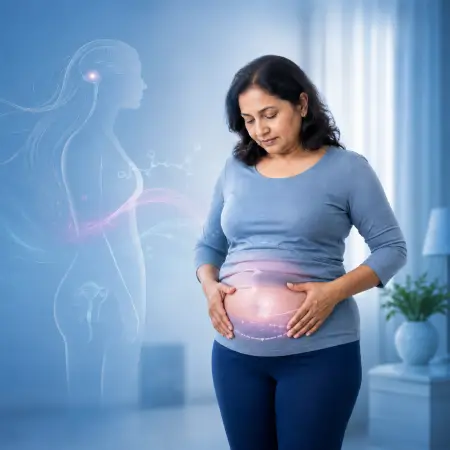
These hormonal fluctuations affect far more than your menstrual cycle. Declining estrogen changes how your body stores fat by shifting it toward the abdomen. It can also reduce the rate at which your body burns calories at rest.
Why Does Weight Gain Happen During Perimenopause?
Perimenopausal weight gain is rarely caused by one factor alone. The most common contributors include:
- Declining estrogen levels that promote abdominal and visceral fat storage
- A slower metabolic rate caused by ageing and loss of muscle mass
- Reduced physical activity due to busy schedules fatigue or joint discomfort
- Poor sleep quality that affects hunger hormones such as ghrelin and leptin
- Increased stress and cortisol levels that promote fat storage around the midsection
- Emotional eating as a response to mood changes
- Insulin resistance that can make weight loss more difficult
Why Managing Weight During Perimenopause Matters
Effective weight management during this phase is not about appearance alone. It may help reduce the risk of several health conditions that become more common after menopause.
- Type 2 diabetes mellitus
- Cardiovascular disease
- Osteoporosis and fractures
- Joint pain and reduced mobility
Healthy weight management may also improve sleep quality energy levels mental wellbeing and self-esteem. It can help preserve muscle mass and bone density during later stages of life.
How We Assess Perimenopausal Weight Gain at VeCura
The causes of perimenopausal weight gain can be different for every woman. A proper clinical assessment is therefore more important than relying on a single treatment.
At VeCura a doctor-led evaluation may include:
- Detailed medical history
- Current medication review
- Family medical history
- Body Composition Analysis to measure body fat muscle mass and visceral fat
- STYKU 3D body scanning for body measurements and progress tracking
- Metabolic rate assessment
- Sleep quality and lifestyle review
- Dietary intake review
- Physical activity assessment
- Stress level evaluation
- Screening for thyroid disorders
- Screening for diabetes and insulin resistance
- Screening for hypertension and dyslipidemia
- Vitamin D and mineral status screening where appropriate
This assessment helps us understand why your body is gaining weight so the treatment can address the underlying cause and not only the number on the scale.
Managing Weight During Perimenopause: What Actually Works
1. A Personalised Doctor-Supervised Plan
Weight management approaches range from foundational lifestyle programmes to advanced doctor-supervised medical therapies.
At VeCura the programme is tailored according to your individual assessment. It may include structured nutrition plans lifestyle programmes medically supervised injectable therapies and body contouring treatments such as cryolipolysis where clinically appropriate.
2. Nutrition Guidance From a Qualified Dietician
A perimenopause appropriate nutrition plan may focus on:
- Adequate protein at every meal to help protect muscle mass
- Balanced meals with appropriate portion control
- Reducing fried processed and high fat foods
- Adequate calcium and vitamin D to support bone health
3. The Right Kind of Physical Activity
- Moderate intensity aerobic exercise for heart health and calorie balance
- Strength training to help maintain muscle mass bone strength and metabolism
- Yoga and stretching to support flexibility joint health and stress relief

4. Lifestyle and Sleep
- Maintain consistent sleeping habits
- Follow good sleep hygiene
- Practice meditation and breathing exercises
- Avoid alcohol and tobacco
5. Treating Underlying Medical Contributors
If an assessment identifies thyroid dysfunction insulin resistance vitamin D deficiency or another metabolic concern then treating the underlying condition may improve the effectiveness of the weight management programme.
Perimenopause: balance within wellness beyond.
What Results Can You Expect?
Every woman's body responds differently. Goals should therefore be set individually after a proper assessment.
Realistic goals may include:
- Gradual and sustainable fat loss over several months
- Prevention of further weight gain
- Preservation of muscle mass
- Improved energy levels
- Better sleep quality
- Improved overall health and quality of life
Conclusion
Perimenopausal weight gain is common but it is not inevitable. It can be managed with early intervention proper clinical assessment and a structured plan.
Women can reduce their risk of chronic health conditions and feel stronger throughout this transition and beyond.
Healthy weight healthy hormones healthier you.
If you are between 40 and 55 and are finding weight harder to manage than before then a structured medical assessment may be the right first step.
Frequently Asked Questions
Why am I gaining weight during perimenopause even though my diet has not changed?
Declining estrogen can shift fat storage toward the abdomen and lower your resting metabolic rate. The same food intake that previously maintained your weight may now result in gradual weight gain. Age related muscle loss may also contribute.
How can I lose belly fat during perimenopause?
Abdominal fat during perimenopause usually responds best to a combined approach involving adequate protein strength training better sleep stress management and treatment of insulin resistance when present.
Targeted body contouring treatments may help with stubborn localised fat after overall weight management needs have been addressed.
Is weight gain during perimenopause permanent?
No. Perimenopausal weight gain can often be managed with an appropriate assessment and a structured programme. Earlier intervention may make weight management easier.
When should I see a doctor about perimenopausal weight gain?
Consider seeking a medical assessment if you have gained weight steadily despite lifestyle changes or if you notice increasing abdominal fat fatigue poor sleep or irregular menstrual cycles.
A medical assessment can help identify treatable concerns such as thyroid dysfunction insulin resistance or nutritional deficiencies.